
Monday starts with a calendar hold in San Francisco, Wednesday needs to land near Big Sur, and by Friday you want a clean finish in Southern California without spending the trip reshuffling reservations. That is how Pacific Coast Highway planning usually breaks for busy professionals. The route is beautiful, but the lodging decisions are operational. Pick the wrong stop, and you lose hours to backtracking, late check-ins, weak Wi-Fi, or a property that looks better on Instagram than it performs in a working itinerary.
Pacific coast highway accommodation works best when each hotel has a job. One property should shorten a long drive day. Another should give you reliable remote-work conditions between meetings. A third should be worth the splurge because it turns one free evening into actual downtime instead of recovery from logistics.
I plan this route the same way I plan executive travel. Start with your fixed commitments, then build around road reality, restaurant access, parking, cancellation terms, and how much privacy you need at each stop. If you want to speed up rate checks and compare room options without opening a dozen tabs, use a hotel booking tool built for faster trip planning.
This guide keeps that standard. It complements the planning discipline behind concierge luxury travel, but it stays grounded in execution. You will get seven strong options along Highway 1, organized for practical decision-making, with booking strategy and remote-work notes for each stop so you can confirm the right sequence quickly.
Table of Contents
1. Post Ranch Inn
Why it works on a Big Sur schedule
2. Alila Ventana Big Sur
Best fit for a structured stay
3. The Ritz-Carlton, Half Moon Bay
Where it earns its keep
4. Monterey Plaza Hotel & Spa
Best use case on a working itinerary
5. Timber Cove Resort
6. The Sea Ranch Lodge
7. Surf & Sand Resort
Best as a southern finish
Pacific Coast Highway: 7 Accommodation Comparison
From Plan to Pavement Execute Your PCH Trip
1. Post Ranch Inn
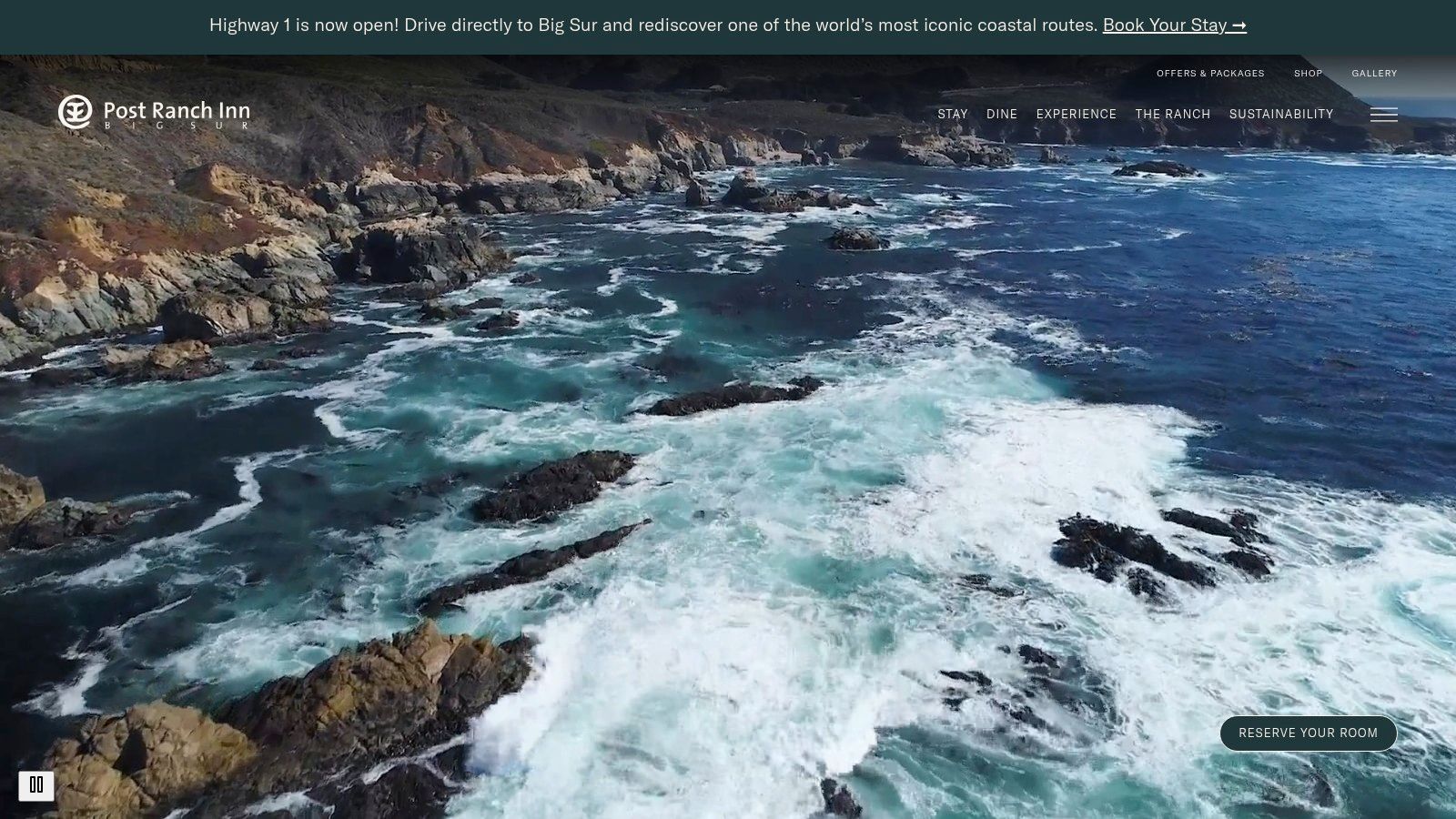
Post Ranch Inn is the stay you book when Big Sur is the point, not just a stop. It’s perched above the Pacific, exceptionally private, and designed for travelers who want the dramatic Highway 1 segment to feel restorative instead of rushed. If your calendar has been dense for weeks, this is the property that helps you reset fast.
The rooms and suites are part of the appeal, but the bigger advantage is focus. Standalone accommodations, soaking tubs, strong architectural identity, and an adults-oriented atmosphere keep the property quiet. That matters on a route where too many “iconic” hotels are photogenic but operationally noisy.
Why it works on a Big Sur schedule
For busy professionals, Post Ranch works best as a one- or two-night anchor rather than a casual pass-through. You arrive before sunset, keep dinner on property, and protect the evening from extra driving. Big Sur roads already demand attention, so this isn’t the segment where I’d stack a packed dining agenda in multiple locations.
A practical trade-off is availability. Along the coast, traveler reports describe a critical shortage of hotel and motel supply, with many stays requiring reservations well in advance, especially on sought-after stretches of Highway 1, according to a Tripadvisor California coast discussion. Post Ranch sits squarely in that reality. If it’s on your list, treat it as an early booking, not a spontaneous add-on.
Practical rule: Reserve Big Sur first, then build the rest of the route around it.
Best for quiet recovery: Executives coming off flights, board meetings, or conference schedules usually value the low-noise setup more than extra nightlife.
Best dining move: Book Sierra Mar on the same timeline as the room. Don’t assume a room reservation solves dinner.
Remote-work note: Fine for light catch-up, approvals, and email triage. Less ideal for a full meeting-heavy workday because the property is better used as an unplugging stop.
If you want the booking process handled cleanly, an AI assistant that can manage hotel booking through Superchat is useful here because this is exactly the kind of reservation where dates, room types, and dinner timing need to stay synchronized.
2. Alila Ventana Big Sur
Alila Ventana Big Sur suits travelers who want Big Sur without improvisation. It gives you a full-service resort rhythm on a large property, with suites, spa access, on-site dining, and programming that keeps the day structured. If Post Ranch is the secluded retreat, Ventana is the polished operations version of luxury in this part of the coast.
That makes it especially good for couples extending a business trip, founders taking a recovery weekend after an event, or small leadership groups that want one place to handle most needs. The resort format removes decision fatigue. Meals, downtime, wellness, and light activity can all happen without another long drive.
Best fit for a structured stay
The strongest advantage here is simplicity. You can choose the traditional resort stay or book the separate glamping option on the same broader property, which gives different travel styles some flexibility without changing the overall stop. That’s useful when one traveler wants resort comfort and another wants more of an outdoors feel.
The trade-off is that this kind of all-in-one property can make travelers less willing to leave the grounds, which is fine if that’s your intention. It’s less ideal if your version of Big Sur is constant movement with multiple dining detours and scenic stops. In that case, you’re paying for resort depth you may not use.
Big Sur rewards fewer transitions. The more you keep in one place, the smoother the stop feels.
A few practical notes:
Best for itinerary control: Travelers who don’t want to coordinate separate spa, dinner, and activity bookings across different vendors.
Watch the booking terms: Group stays and certain date patterns can come with minimums, so check the fine print before aligning team travel.
Remote-work note: Better than many wilderness-adjacent stays for half-day work blocks because the overall setup is more service-heavy.
When I’m planning this segment for someone with a packed calendar, I’d pair Ventana with a reliable assistant that can keep routing, lodging, and timing connected. Trip planning with Superchat fits that use case because the value here isn’t just choosing the resort. It’s keeping the rest of the drive clean around it.
3. The Ritz-Carlton, Half Moon Bay
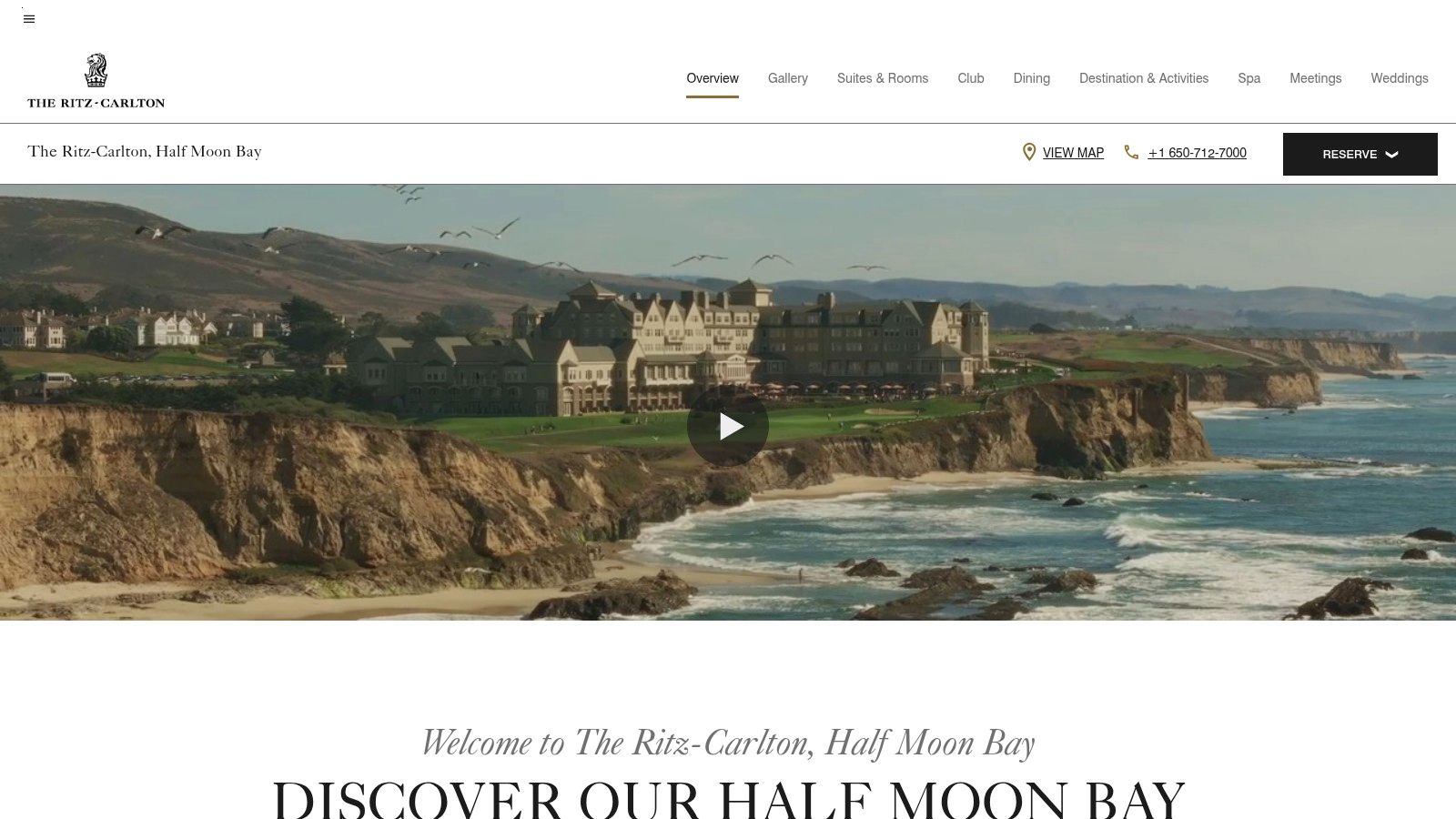
Some PCH stays are about immersion. The Ritz-Carlton, Half Moon Bay is about control. It’s close enough to San Francisco International Airport to work as a first-night decompression stop or a final night before departure, while still delivering that blufftop oceanfront feeling people want from pacific coast highway accommodation.
For executives, that airport proximity is the differentiator. You can land, clear the city, and be on the coast without committing to a long first driving day. You also get the kind of meetings and events infrastructure that many scenic properties do not handle as well.
Where it earns its keep
This is one of the easiest Highway 1 luxury stays to justify when work is still active. Club Level options, full spa access, fire pits, and golf create plenty of room for a partner trip or client-facing extension, but the property is equally good for a clean overnight with a few calls and a strong dinner.
What it doesn’t do is feel hidden. It’s polished and professional rather than intimate. If you want raw coastal atmosphere and a sense of isolation, Big Sur wins. If you want reliability, strong service standards, and smoother logistics from the airport corridor, Half Moon Bay is the better choice.
Best arrival strategy: Use it on the front end of the trip if your flight lands late or your team arrives on staggered schedules.
Best departure strategy: Use it on the final night if you want one calm evening before SFO rather than a stressful inland commute.
Remote-work note: One of the better options on this list for real work sessions, especially if you need meeting-friendly common areas.
For dinner planning, this is also where I’d avoid making last-minute assumptions on a busy coast. A solid restaurant booking workflow helps, and these restaurant reservation apps are useful if you’re trying to secure the right table without burning time on calls.
4. Monterey Plaza Hotel & Spa
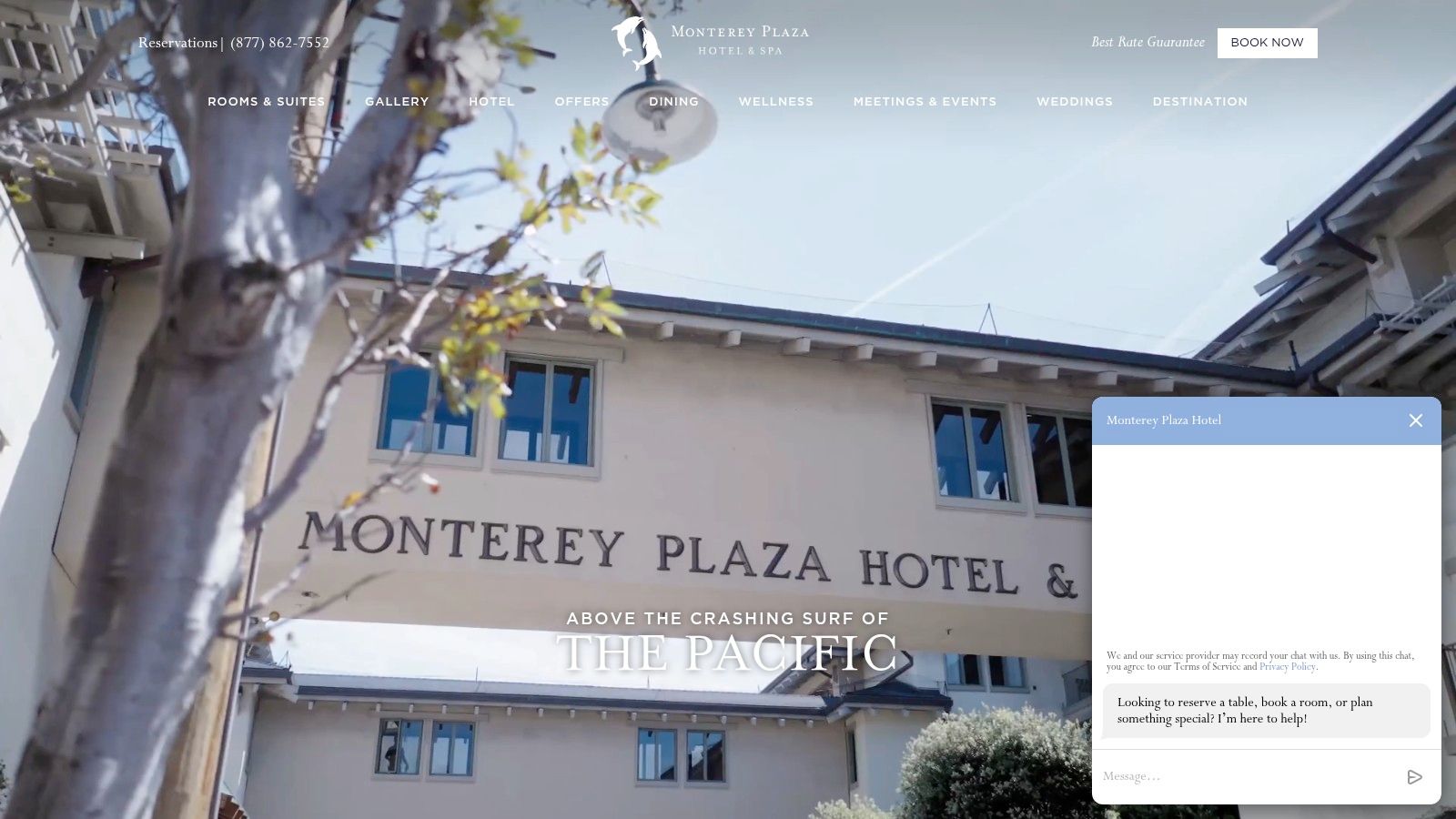
Monterey Plaza Hotel & Spa is the practical operator’s choice. It sits on Cannery Row above Monterey Bay, which means you get views, walkability, dining access, and one of the easiest basecamp positions on the route. If you need a hotel that supports both work and leisure without forcing a compromise, Monterey often lands in the sweet spot.
For travelers aiming to keep moving while still having real infrastructure, this property is an excellent fit. Its meeting support, AV capabilities, and substantial event space make it credible for offsites, leadership sessions, or a work-forward stop that still feels coastal and refined.
Best use case on a working itinerary
Monterey is strong because it’s central. You can continue north or south on Highway 1 without the feeling that you’ve overcommitted to one remote resort. For travelers building a multi-stop drive from San Francisco toward Southern California, that flexibility is valuable.
It’s also one of the easier places to combine professional obligations with actual sightseeing. A few morning calls, lunch nearby, a short walk, then dinner on or near the water is a very workable format here. That’s harder to execute in more isolated stretches.
Don’t confuse central with ordinary. On Highway 1, a well-placed base often outperforms a more glamorous property with weaker logistics.
There are drawbacks. Weekends and holidays can feel busy, and premium oceanfront categories usually command a sharper rate. If your priority is silence over convenience, one of the smaller northern properties may suit you better.
Best for mixed-purpose travel: Good when one person is working and the other wants easy access to shops, dining, and attractions.
Best pacing: Stay one or two nights, then decide whether to continue south through Big Sur or regroup north depending on conditions and energy.
Remote-work note: Strong option for calls, laptop work, and short in-room work sessions because the town context is easier than more secluded stops.
5. Timber Cove Resort
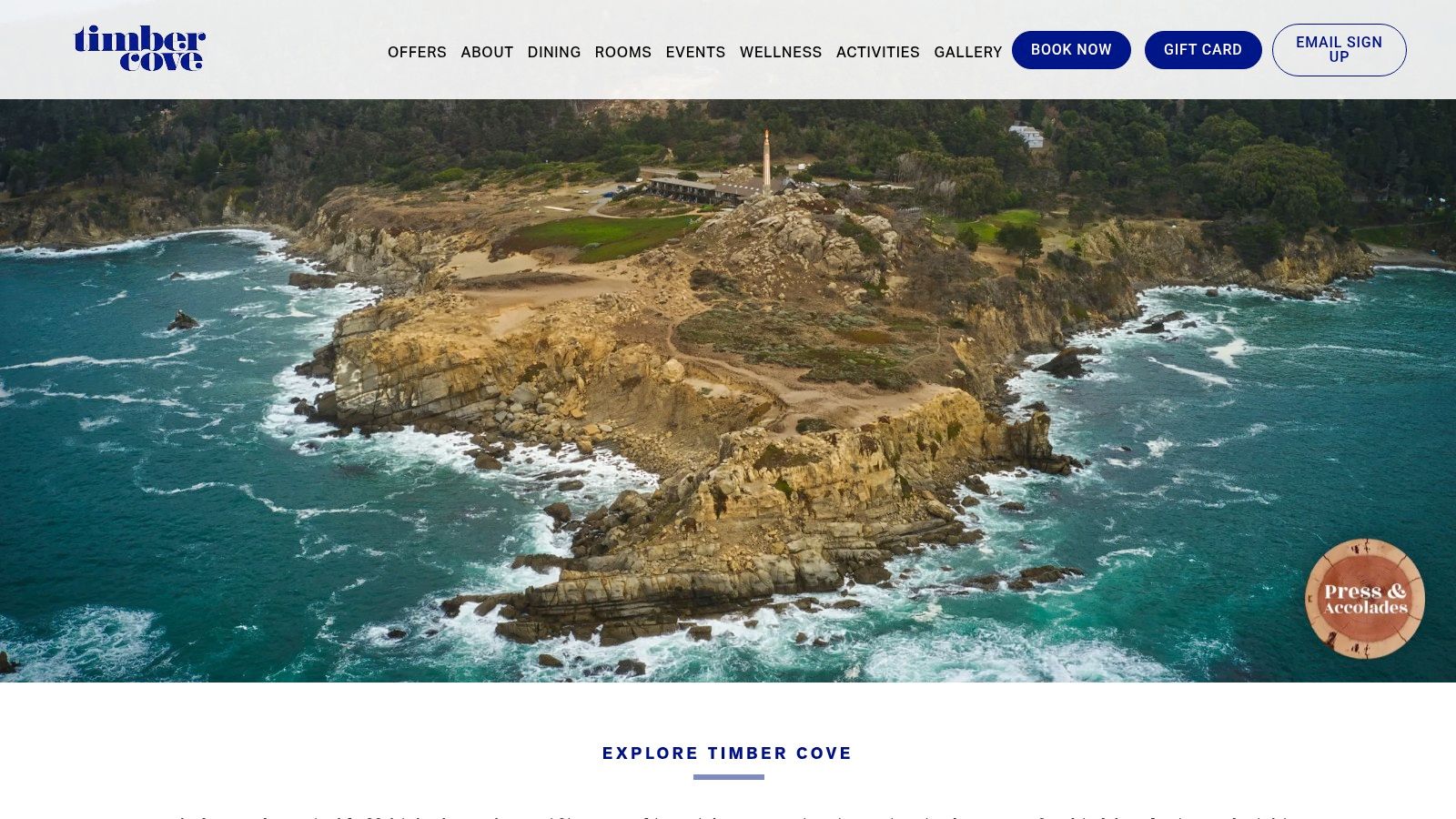
A common Northern California work-trip scenario looks like this. You leave San Francisco after meetings, want a property with real character, and need the evening to feel restorative rather than performative. Timber Cove Resort fits that brief well.
Set on the Sonoma Coast near Jenner, it gives you a more dramatic and less trafficked Highway 1 stop than the usual airport-convenient options. The midcentury design, cliffside setting, fireplaces, and ocean-facing outdoor spaces make it memorable without requiring a long resort agenda to justify the rate.
This is one of the better choices for busy professionals who want a one-night reset with a clear point of view. It suits founders between board meetings, executives extending a Bay Area trip by a day, and couples where one person may still need an hour or two of laptop time before dinner. The property feels removed, which is the draw. It also means you need to arrive prepared.
That trade-off matters here more than at easier urban-coastal stops. Nearby backup options for late dining, errands, or last-minute changes are limited. If your style is to make decisions on the fly, Timber Cove can feel inconvenient. If you book it as a planned stop with dinner, arrival time, and next-day route already set, it works very well.
For itinerary design, I’d use Timber Cove near the front end of a PCH drive, especially for travelers starting in San Francisco and wanting an immediate change of pace without committing to a much longer first-day push. It also works as a standalone Sonoma Coast overnight when the goal is quiet, scenery, and a strong property identity rather than town access.
Best for a deliberate first stop: Strong choice after a Bay Area workday when you want the trip to feel distinct right away.
Booking strategy: Reserve dinner and preferred room type early, especially if timing matters.
Remote-work note: Good for focused in-room work and low-volume calls. Less practical for travelers who need nearby meeting spaces, redundant service options, or a dense business setup.
6. The Sea Ranch Lodge
The Sea Ranch Lodge suits a different kind of PCH stop. Pull in after a dense week of calls, open the laptop for one last focused work block, then step outside to trails, ocean air, and one of the most restrained settings on the coast. For executives who are overloaded by choice, that restraint is the point.
The property keeps its attention on architecture, quiet, and the natural setting. With only 17 rooms, it offers a distinctly limited scale, which is rare on this route. You are booking privacy and calm, not a long amenity list. If you like to end the day with room service, a bar scene, and several fallback options, choose another stop.
Sea Ranch works best as a planned reset for busy professionals. I would use it for a one-night strategy pause, a writing-heavy overnight, or a couples stop where one person still needs reliable Wi-Fi and two uninterrupted hours before dinner. The no-TV setup helps more than it hurts in that context. It keeps the room pointed toward rest and concentration.
Small, desirable coastal properties reward early decisions. As noted earlier, scarcity is part of the PCH booking pattern, and places like this can sell out quickly on high-demand weekends.
Pack and book accordingly. Bring what you need for the evening, confirm dining plans, and do not assume the surrounding area will provide endless last-minute alternatives. If you want to match the setting, even casual pieces like this Men's Western High Sierra Sea Ranch Indigo shirt fit the mood without trying too hard.
Best for a mid-route reset: Strong choice when the goal is clear thinking, quiet, and a shorter decision list.
Booking strategy: Reserve early, especially for weekend stays and preferred room categories.
Remote-work note: Best for focused solo work, writing, and low-volume calls. Less suitable for travelers who need business services, meeting spaces, or multiple on-property distractions.
7. Surf & Sand Resort
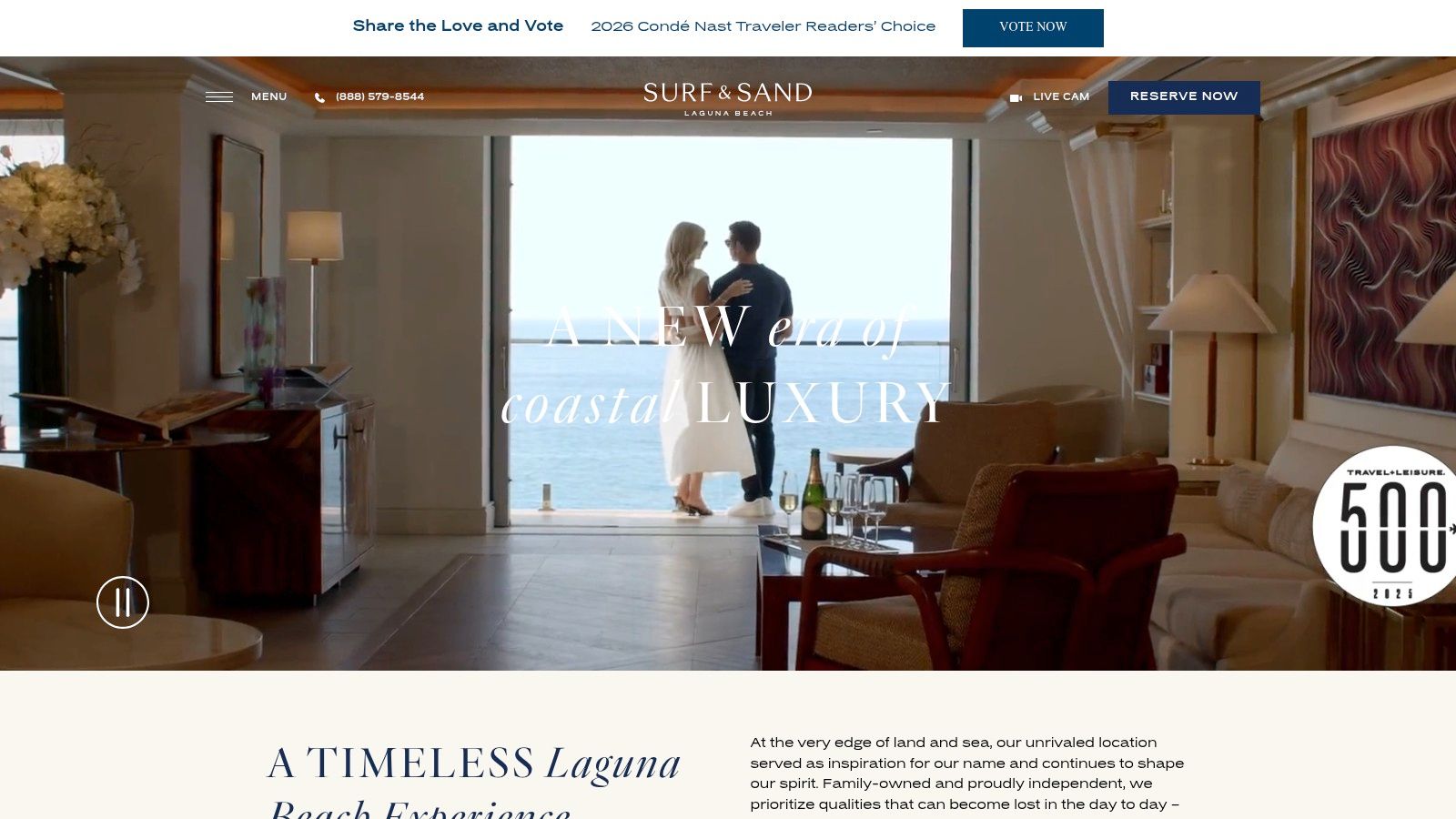
If you want your southern finish to feel unmistakably coastal, Surf & Sand Resort is one of the strongest calls. It sits right on the water in Laguna Beach, with direct beach access, private balconies, a lively food-and-beverage setup, and the kind of location that lets you end the drive without immediately shifting into airport-hotel mode.
That matters because the southern PCH can easily become fragmented. Traffic, dinner plans, gallery stops, and airport timing all compete for attention. Surf & Sand simplifies the last chapter. You’re on Coast Highway, you can walk to town, and the ocean remains the focus.
Best as a southern finish
Laguna Beach works well as a final leisure-forward stop after a more operational route through Monterey, Big Sur, or Half Moon Bay. The property gives you a relaxed close without feeling sleepy. You can still have a proper dinner, spa time, and beach access, then move toward John Wayne Airport with less friction than if you stayed farther away.
The trade-off is activity. This area gets busy, parking can be annoying, and light sleepers may notice wave noise more than they expect. For many travelers, that’s part of the appeal. For some executives, especially after an exhausting week, it’s a reason to request room placement carefully.
Traveler discussions also show the broader booking challenge on this route. Many people still ask whether to reserve in advance or wing it, and forum-style guidance consistently points to off-peak flexibility but much more risk during high-demand periods, as summarized in Expedia’s Pacific Coast Highway hotel guide. Laguna is not the place I’d leave to chance if you care about room category, walkability, or dining time.
For readers who want a fitting coast-to-casual style reference after the drive, the Men's Western High Sierra Sea Ranch Indigo shirt feels on-theme without trying too hard.
Best for a polished ending: Ideal when you want your final stop to feel celebratory, not purely functional.
Best local strategy: Park the car, walk when possible, and stop over-scheduling.
Remote-work note: Fine for lighter work blocks, but this is better used as a closeout stay than a productivity bunker.
Pacific Coast Highway: 7 Accommodation Comparison
Property | Booking complexity 🔄 | Cost & resource needs ⚡ | Expected quality ⭐ | Ideal use cases 📊 | Key advantages 💡 |
|---|---|---|---|---|---|
Post Ranch Inn | High, very limited inventory; reserve months ahead | High, premium rates, small inventory, adults‑oriented | Exceptional, award‑winning dining, curated wellness | Couples, wellness/unplugging retreats | Clifftop design suites, Sierra Mar, seclusion & privacy |
Alila Ventana Big Sur | Moderate, resort bookings plus group minimums possible | High, premium resort pricing; inclusive packages & glamping option | High, full‑service resort with spa and programming | Families, groups, resort‑style stays, glamping seekers | Two stay styles (suites + campground), inclusive resort programming |
The Ritz‑Carlton, Half Moon Bay | Moderate, ample inventory; strong meetings support | High, premium rates, valet/parking fees, event resources | Very high, Forbes Five‑Star service, golf, full spa | Executive travel, meetings, golf trips, quick SFO access | Championship golf, Club Level, polished meetings infrastructure |
Monterey Plaza Hotel & Spa | Moderate, large event capacity; busy at peak times | Moderate‑High, premium for ocean rooms; meeting costs | High, meetings‑friendly, rooftop spa, coastal access | Corporate offsites, aquarium visitors, central PCH base | Extensive event space, ocean views, on‑site AV and spa |
Timber Cove Resort | Moderate, small property on a remote stretch; book ahead | Moderate, mid‑range rates plus resort fee; remote logistics | High, design‑forward, quieter coastal experience | Design‑minded travelers, nature walks, quieter coastal stays | Mid‑century architecture, Great Room hub, bluff access |
The Sea Ranch Lodge | High, 17 rooms only; books up quickly; remote access | Moderate, boutique pricing, limited nearby services | High, intimate, architecture + landscape integration | Creatives, focused retreats, trail access, restorative stays | Minimalist rooms, strong design ethos, direct coastal trails |
Surf & Sand Resort | Moderate, easy booking but busy peak season, limited parking | Moderate, beachfront rates, seasonal pricing, walkable | High, classic oceanfront Laguna Beach experience | Beach vacations, dining/shopping, southern PCH terminus | Direct beach access, seaside pool, strong F&B and walkability |
From Plan to Pavement Execute Your PCH Trip
Monday opens with a calendar packed wall to wall. By Thursday, you want to be on Highway 1 with confirmed rooms, dinner reservations that fit your arrival times, and strong enough Wi Fi to clear one last round of calls before you switch off. That kind of trip does not happen by chance. It comes from booking the route in the right order.
Start with the hard-to-replace nights. On this drive, that usually means Big Sur first, then the smallest inventory properties. Post Ranch Inn, Alila Ventana Big Sur, and The Sea Ranch Lodge can dictate the shape of the entire itinerary because alternate options nearby are limited and rarely equivalent. Once those anchors are in place, it is much easier to fit in Monterey Plaza Hotel & Spa, The Ritz-Carlton, Half Moon Bay, or Surf & Sand Resort around your meeting schedule, airport timing, and preferred driving windows.
For busy professionals, I recommend building the trip in three passes.
First, lock the room nights that control the route. Second, book the experiences that can disrupt the day if left too late, such as dinner seatings, spa appointments, golf times, and parking or valet details at properties where arrival logistics matter. Third, note remote-work practicality for each stop. A quiet morning call is realistic at Half Moon Bay or Monterey. It is far less predictable on some of the more isolated stretches if weather, power, or road conditions shift.
Coastal lodging supply stays tight for reasons noted earlier in this guide, and that has a direct effect on booking strategy. Waiting for a perfect version of the trip usually costs more than committing early to the right anchor nights. If a property matters, reserve it. Then refine the rest around it.
I handle PCH planning the same way I handle executive itineraries generally. One document holds confirmation numbers, cancellation terms, check-in windows, dining reservations, and drive-time buffers. That sounds simple because it is. It also prevents the common failure point on this route, where one delayed arrival causes a missed dinner, a late check-in scramble, and a poor start the next morning.
Superchat helps turn that shortlist into an operating itinerary. It can manage booking requests, organize confirmations, connect travel details with your calendar, and keep changes from creating avoidable gaps between stops. Instead of chasing hotel emails, map tabs, and payment receipts across different apps, you keep the trip controlled in one place.
The right Pacific Coast Highway accommodation plan should save time before the trip and protect your time during it. Book the anchor stays first. Keep transition days realistic. Choose each hotel for the role it plays, not just the photo it sells.
If you want to turn this shortlist into confirmed reservations without juggling tabs, emails, and calendar blocks, try Superchat. It’s built for busy people who want to say what needs doing, book the trip, organize the confirmations, and keep the schedule moving in one place.


