
Reykjavik in a Rush: A Guide to the City’s Best Sights
You’ve just landed in Reykjavik for a conference, a long layover, or a short stop between bigger Iceland plans. You want more than a coffee near the hotel, but you also don’t have time for a sprawling sightseeing day that burns half your trip in transit and ticket lines.
That’s where most guides fail. They treat all attractions in Reykjavik as if you’ve got an open calendar and unlimited patience. In reality, busy travelers need high-return stops, predictable timing, and clean logistics.
This guide is built for that kind of trip. The focus is simple: attractions that give you a strong sense of Reykjavik fast, with practical trade-offs on what’s worth squeezing in and what can wait. Some places are best as a short visual hit. Others earn a longer window because they package Icelandic culture, nature, or relaxation into a single efficient stop.
You’ll also notice the list leans toward places that work well in bad weather, pair easily with nearby neighborhoods, or let you control timing through same-day or timed entry. If you only have a few hours, that matters more than chasing a generic “must-see” checklist.
Table of Contents
1. Hallgrímskirkja Church and Tower
Why it works on a tight schedule
2. Harpa Reykjavík Concert Hall and Conference Centre
3. Perlan – Wonders of Iceland
When to choose Perlan over other stops
4. National Museum of Iceland Þjóðminjasafn Íslands
Who should prioritize it
5. Sky Lagoon
How to fit it into a short trip
6. FlyOver Iceland
The real trade-off
7. Whales of Iceland
Top 7 Reykjavik Attractions Comparison
Building Your Efficient Reykjavik Itinerary
1. Hallgrímskirkja Church and Tower
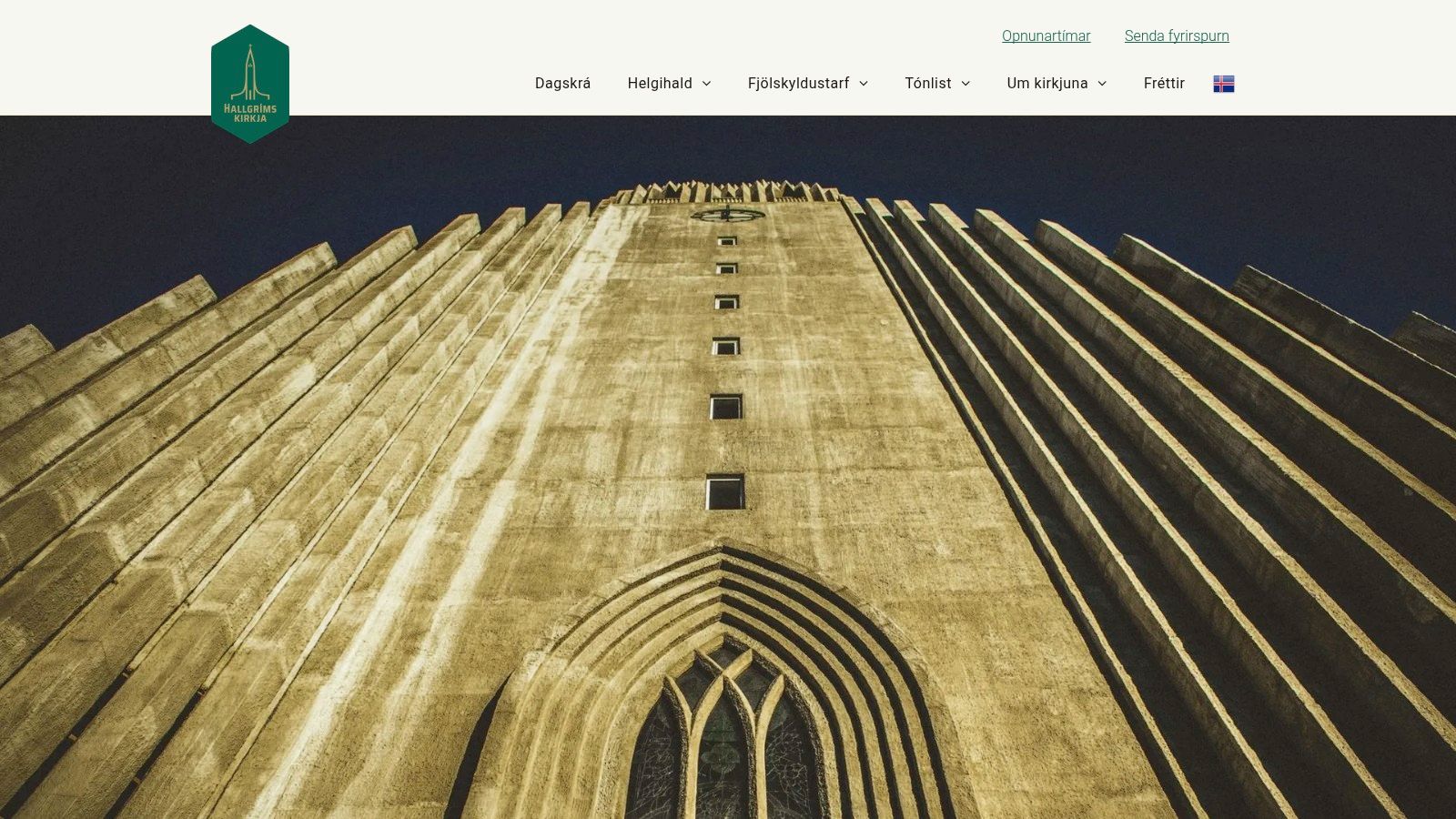
You land in Reykjavik with one free morning before meetings or a flight out. Hallgrímskirkja is the stop that gives you the city’s signature view, a clear sense of the street layout, and a strong photo set without burning a large block of time.
The church is Reykjavik’s best quick-orientation play. The exterior is the landmark most travelers recognize first, but the tower is what makes it worth prioritizing on a short trip. From the top, you can read the city fast. Colorful roofs, the harbor, and the mountains beyond all come into focus in a few minutes.
Why it works on a tight schedule
This is one of the few major attractions in Reykjavik that still works well in a 30 to 60 minute slot. You arrive, buy a tower ticket, take the elevator up, spend a short stretch on the observation level, and move on. If your schedule is tight, that efficiency matters more than spending two hours at a site just because it is famous.
There is one real trade-off. Tower tickets are sold on site, so timing matters. If you leave Hallgrímskirkja for the busiest part of the day, you risk turning a fast stop into a queue.
My rule here is simple. Go early, buy the tower ticket first, then decide whether to spend extra time inside the church.
A few practical tactics make it smoother:
Use it as a morning anchor: It is easiest before the central streets fill up and before your day fragments into smaller errands.
Keep the visit tight: Most travelers do not need long here unless they have a specific interest in church architecture.
Pair it with a downhill walk: After the tower, continue through the surrounding streets and cafés rather than backtracking.
Check access conditions on the day: It is an active church, so services and events can affect what is open and when.
The official site is Hallgrímskirkja Church.
2. Harpa Reykjavík Concert Hall and Conference Centre

You have 45 minutes before dinner, the wind off the bay is cutting across the waterfront, and you want one stop that still feels distinctly Reykjavik. Harpa fits that gap better than almost anywhere else in the center.
Its appeal is simple. You get strong architecture, harbor views, indoor shelter, and flexible timing in one stop. That matters on a short trip because Harpa does not force a big commitment. You can treat it as a quick visual stop between meetings, or book an evening performance and make it the anchor of the day.
What saves time here is the low-friction format. There is no need to commit museum-level attention if you are running a tight schedule. Walk the glass facade from the outside, step into the main atrium, spend a few minutes on each level, then decide whether the building itself is enough or whether you want to stay for coffee or a concert.
The trade-off is access. Public areas are easy to see, but performance schedules, private events, and tour availability can limit where you can go. Travelers who care about acoustics, backstage areas, or seeing one of the main halls properly should check the calendar first instead of assuming a casual walk-in will cover it. If you are building a short stay around timed stops, it helps to map the day in advance with a trip planning tool for tight city itineraries.
A practical way to handle Harpa:
Use it as your weather backup: If rain or wind ruins a walking plan, Harpa is one of the best central substitutes.
Keep the first pass short: Twenty to 30 minutes is enough for the building unless you have tickets or a specific architectural interest.
Pair it with the old harbor or waterfront: The location makes it easy to add without wasting transit time.
Book the evening slot on purpose: If your daytime is packed, Harpa works well as a clean post-work stop with structure already built in.
The official venue site is Harpa Reykjavík Concert Hall and Conference Centre.
3. Perlan – Wonders of Iceland
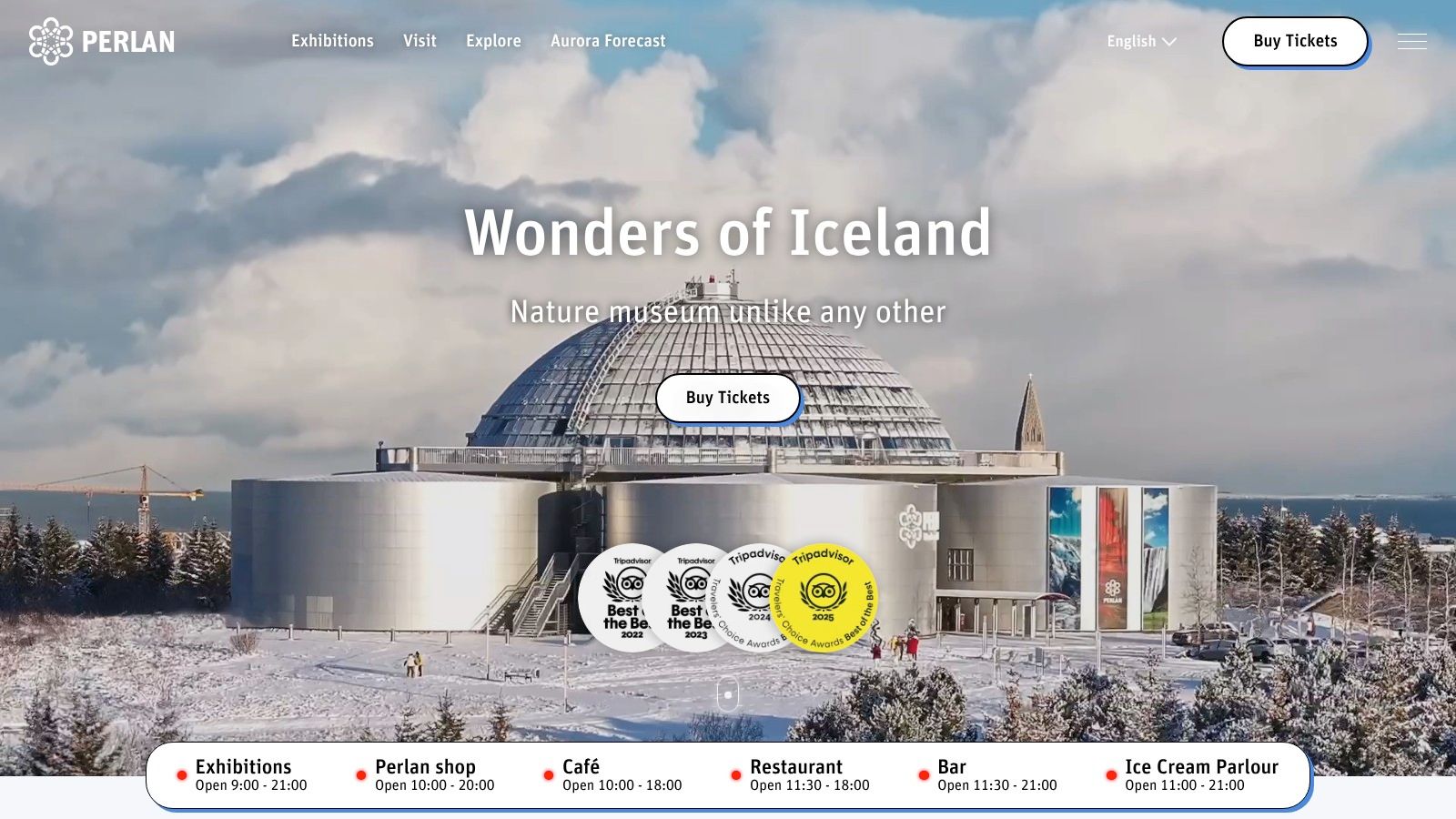
Perlan is the best single-stop primer on Iceland if your schedule won’t allow a proper day trip. Instead of chasing scattered context across museums and viewpoints, you get nature exhibits, the indoor ice cave, the Áróra northern lights planetarium, and a panoramic deck in one building.
That makes it unusually practical for mixed groups. One person wants views, another wants science and culture, a third just wants something reliable and indoors. Perlan handles all three better than most attractions in Reykjavik.
When to choose Perlan over other stops
Choose Perlan when you want breadth instead of purity. Hallgrímskirkja gives a sharper visual hit. The National Museum gives stronger historical grounding. Perlan gives a well-packed overview that works especially well on cold, wet, or unpredictable days.
The downside is pacing. If you just show up without looking at showtimes, you can lose momentum waiting for the next planetarium session or moving through busier exhibit zones. It’s also the kind of place where ticket structure can feel premium if you decide at the door rather than planning ahead.
For travelers trying to keep the day friction-free, this is exactly the kind of stop that benefits from preplanning in one thread. Using an assistant for trip planning with Superchat is useful here because Perlan is at its best when transport, timing, and adjacent bookings are already lined up.
A practical approach is:
Best for first-timers: It compresses Iceland’s natural story into one stop.
Best for bad weather: You won’t lose the visit to wind or rain.
Less ideal for ultra-short windows: If you only have one free hour, Hallgrímskirkja or Harpa is usually cleaner.
Perlan’s accessibility also matters. The verified background notes its exhibits and elevators support inclusive visits, which helps if your party includes strollers or anyone who’d rather avoid uneven outdoor terrain. The official site is Perlan – Wonders of Iceland.
4. National Museum of Iceland Þjóðminjasafn Íslands
If your instinct is to skip history museums on short trips, this is the one that can change your mind. The National Museum of Iceland gives the clearest cultural through-line in the city, from settlement to modern Iceland, without forcing you into a sprawling museum marathon.
That matters because Reykjavik can otherwise feel visually memorable but historically thin if you only do landmark stops. This museum fixes that fast.
Who should prioritize it
Prioritize it if you want context, not spectacle. Perlan explains Icelandic nature. The National Museum explains the people, institutions, and historical arc behind the place you’re walking through.
The experience is more text-driven than dramatic. That’s the trade-off. If your brain is fried after conference sessions, you may find Perlan or FlyOver easier to absorb. But if you still have attention to spend, this is one of the highest-value intellectual stops in Reykjavik.
It’s also well suited to focused timing. A solid 60 to 120 minutes works for most visitors, and the central location near the University makes it easy to fit into a city day without awkward transfers.
Skip this only if you want pure scenery or decompression. For cultural understanding, it beats a string of random downtown stops.
A few practical notes make the visit smoother:
Use the audio guide if available: It keeps you moving and reduces label fatigue.
Go before dinner, not after: This is better when your attention is still sharp.
Pair it with a walk, not another museum: Most travelers won’t want two text-heavy visits back to back.
The museum’s website is National Museum of Iceland.
5. Sky Lagoon

Sky Lagoon is the best reset button near the city. When people talk about needing a geothermal soak without turning the day into a major excursion, this is usually the right answer.
The edge here is proximity. It sits close enough to central Reykjavik to work on an arrival day, a free afternoon, or the evening after a dense work schedule. That’s a major advantage over attractions that demand more transport commitment.
How to fit it into a short trip
This works best as a deliberate half-block in your day, not a rushed add-on. The infinity-edge lagoon, ocean view, and Seven-Step Ritual are designed to slow you down a little, which is exactly why it’s effective after flights and meetings.
The practical trade-off is availability. Popular evening slots can disappear, and pricing tends to reward people who decide early rather than late. If sunset is your target, treat that booking as fixed, not optional.
For frequent flyers, the trick is tying the spa booking to the rest of the trip so delays don’t wreck the plan. Using Superchat flight booking makes sense here because arrival timing, airport changes, and same-day adjustments can affect whether a lagoon session is relaxing or stressful.
What works best:
Book a timed entry before you land: Don’t gamble on premium slots being open.
Use it as your final major stop of the day: You won’t want to do much structured sightseeing after.
Choose it over Blue Lagoon if city efficiency matters more than brand recognition: For a short Reykjavik stay, that trade often pays off.
Sky Lagoon’s official site is Sky Lagoon.
6. FlyOver Iceland

FlyOver Iceland is the most schedule-friendly attraction on this list. If your window is tight, the weather is poor, or you want something memorable without much planning overhead, it’s hard to beat.
This is a motion-theater experience in the Grandi area with pre-show segments and a short ride that simulates flying over Icelandic scenery. Frequent departures and weatherproof operation are what make it useful for business travelers, not just the visual production.
The real trade-off
The ride itself is short. That’s the honest objection, and it’s fair. If you measure value by minutes spent inside the core attraction, it can feel expensive.
But that’s not the right metric for everyone. The better question is whether it gives you a reliable, high-impact experience in a compact time block. For many short-stay travelers, the answer is yes.
Its other limitation is physical. Motion sensitivity can turn a fun stop into a bad idea fast, and there are height restrictions for children. If anyone in your group dislikes simulator-style experiences, don’t force this one.
A good use case looks like this:
Rainy afternoon: Choose FlyOver instead of losing momentum on outdoor plans.
Gap between meetings: It’s predictable enough to fit a narrow slot.
No chance for a real day trip: It gives a stylized taste of Icelandic scenery fast.
This one shines when you stop expecting museum depth or spa relaxation. It’s an efficient hit of spectacle. The official website is FlyOver Iceland.
7. Whales of Iceland
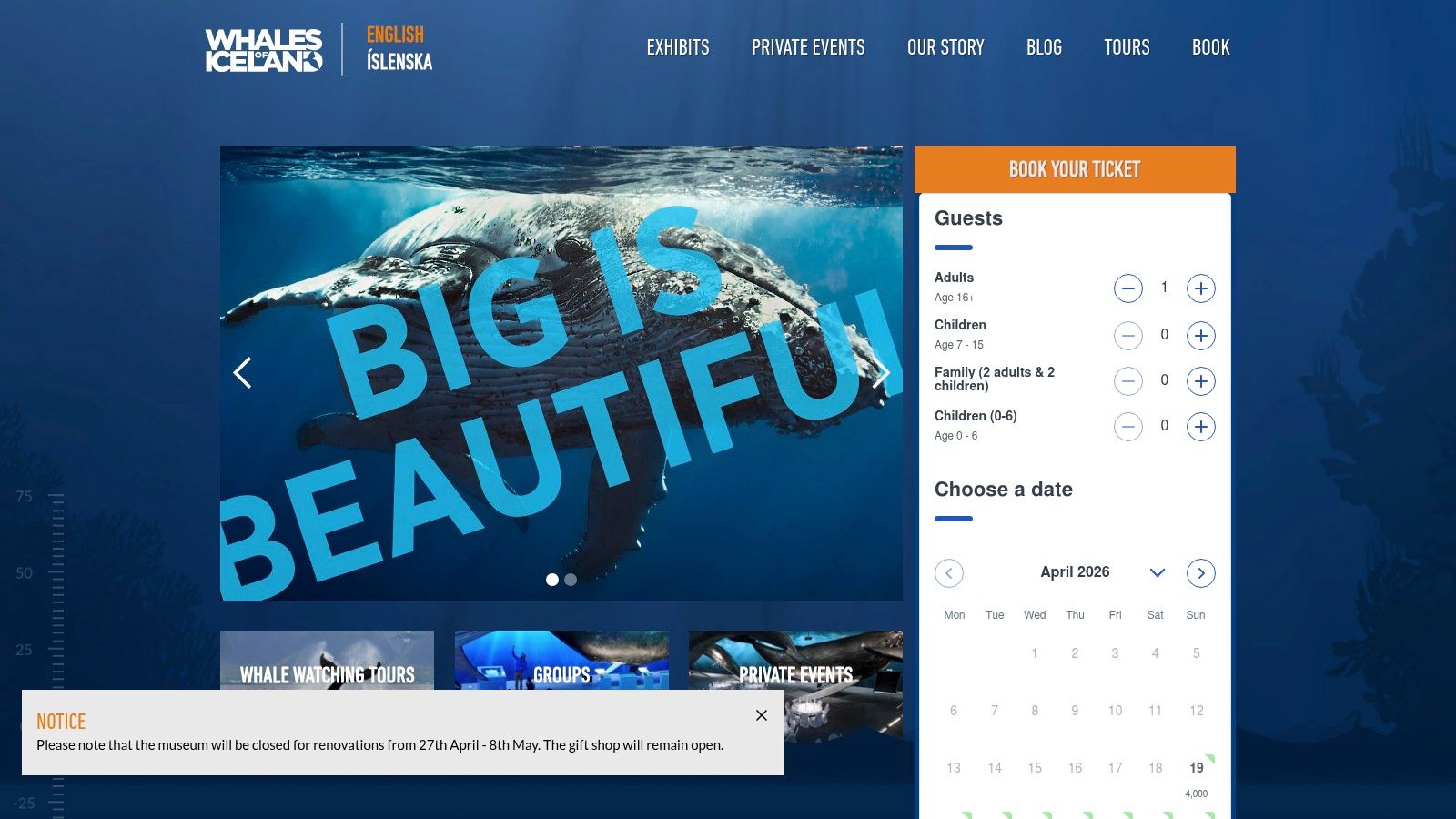
You have a free hour near the Old Harbour, the weather has turned, and you do not want to commit half a day to a boat tour. Whales of Iceland is a smart call in that exact situation.
The museum centers on life-size whale models in a dark, high-ceilinged space, and that scale is the whole point. It gives you a quick sense of Iceland’s marine world without the scheduling risk, seasickness factor, or long weather call that comes with whale watching. For short-stay travelers, that matters.
What makes this stop useful is how easily it fits into a tight Grandi or harbor loop. You can pair it with coffee, lunch, or a waterfront walk and still keep the rest of the day intact. I’d slot it into a morning or late afternoon block, not the middle of a prime weather window.
It also works well for mixed groups.
One person may want a museum. Another may be tired, cold, or not interested in spending hours at sea. This is one of the cleaner compromises in Reykjavik because the visit is visually strong, easy to follow, and usually manageable in about an hour, give or take your pace with the exhibits and audio elements. If you’re staying nearby, using a hotel booking tool for Old Harbour or downtown stays can save time on taxis and make this area much easier to use between other plans.
The trade-off is straightforward. If you want live wildlife, this is obviously not a substitute for a real whale-watching tour. If you have already booked time on the water and conditions are good, keep the boat trip as the priority. Whales of Iceland makes more sense when you need a reliable indoor option or want context before heading out to sea.
Crowding can also change the feel. The space is best when it stays quiet and slightly atmospheric. Midday traffic can flatten that a bit.
Still, this is one of the better secondary attractions in Reykjavik because it respects your schedule. It is distinctive, close to other useful stops, and easy to recommend when time is limited. The official site is Whales of Iceland.
Top 7 Reykjavik Attractions Comparison
Attraction | Access/Booking 🔄 | Time & Cost ⚡ | Experience Quality ⭐📊 | Ideal use cases 💡 | Key advantages |
|---|---|---|---|---|---|
Hallgrímskirkja Church and Tower | Same‑day tower tickets sold in lobby; occasional service closures | Short visit (15–30 min); modest ticket fee | Iconic 360° city and bay views; high photo impact | Quick downtown photo stop; short itineraries; concert visits | Central location, elevator access, landmark architecture |
Harpa Reykjavík Concert Hall | Free public atriums; seasonal guided tours; event days may restrict access | Flexible drop‑in; concert/tour tickets vary | Striking glass architecture; strong evening/event appeal | Architecture breaks, dining, evening performances | Weatherproof indoor spaces, shops & restaurants, waterfront site |
Perlan – Wonders of Iceland | Timed shows (planetarium); tickets recommended for peak times | Moderate visit (1–2 hrs); premium pricing for some experiences | Immersive exhibits (ice cave, planetarium) + panoramic deck | Families, mixed groups, all‑weather overview of Iceland | Comprehensive nature exhibits, 8K planetarium, café with views |
National Museum of Iceland | Walk‑in friendly; multi‑language audio guides available | 60–120 min; standard museum fee | Deep historical narrative; text‑rich but culturally thorough | History buffs, contextual city planning, museum pairing | Core "Making of a Nation" exhibit, good accessibility features |
Sky Lagoon | Timed entry with dynamic pricing; popular evening slots sell out | Visit ~2 hrs; premium for full Seven‑Step Ritual | Polished geothermal spa with ocean‑edge views; relaxing sunset option | Spa/relaxation, short transfers from city, sunset visits | Infinity edge, structured ritual, on‑site dining and amenities |
FlyOver Iceland | Frequent departures (~15–20 min); free downtown shuttle; weather‑proof | Short total visit (~35 min); moderate ticket price | High production flying theatre with motion, wind, mist, scents | Quick bad‑weather activity; schedule‑friendly attraction | Reliable run times, immersive multisensory experience, easy to fit in schedule |
Whales of Iceland | Daily guided tours (often 11:00 & 15:00); central harbour location | 60–90 min; family/multipass pricing options | Life‑size whale models with immersive soundscapes; very visual | Families, harbour pairing, marine‑life enthusiasts | Europe’s largest whale models, accessible layout, guided tours |
Building Your Efficient Reykjavik Itinerary
The right Reykjavik plan depends less on “top sights” and more on what kind of spare time you have. A two-hour gap calls for a different strategy than an open afternoon. That’s why the best attractions in Reykjavik aren’t just famous. They’re usable.
If you’ve only got a short city window, Hallgrímskirkja plus Harpa is the cleanest combination. You get Reykjavik’s classic landmark and its modern waterfront counterpoint without overcomplicating transport. If the weather is rough, swap Hallgrímskirkja’s tower for more time inside Harpa or head to FlyOver Iceland.
For a half day, Perlan becomes much more attractive. It gives you nature, views, and indoor reliability in one stop. If your priority is culture over scenery, the National Museum is a better use of that same block. Those two are best treated as alternatives, not as a pair, unless museums are the point of the trip.
If you need recovery more than sightseeing, book Sky Lagoon and build the rest of the day around it. That’s often the smartest call after a long-haul flight or a packed work agenda. If you’re staying near the harbor or want a lower-effort indoor option, Whales of Iceland slots in well before or after a meal.
Logistics matter more than people admit. Group nearby stops. Book timed entries early when possible. Don’t cram three “major” attractions into a single short afternoon and assume the city is so compact that it won’t matter. It will. Even in a walkable capital, transitions, queues, and decision fatigue eat time.
That same mindset applies to where you stay. Picking from the best hotels in Reykjavik can save more time than over-optimizing every attraction.
Reykjavik is compact enough to reward smart planning, and interesting enough that even a short visit can feel substantial. If your bookings, reminders, and transport details are scattered across tabs and apps, the city starts feeling harder than it is. Keep the day centralized, commit to fewer better stops, and you’ll leave with a real sense of place instead of a rushed checklist.
If you want your Reykjavik trip to run like a well-managed workday, Superchat is a practical upgrade. It can keep flights, attraction bookings, calendar holds, reminders, and payments in one conversation, which is exactly what helps on a short trip where small delays snowball fast.


