Jan 25, 2026
The Action-Interface: How AI Assistants Execute Payments
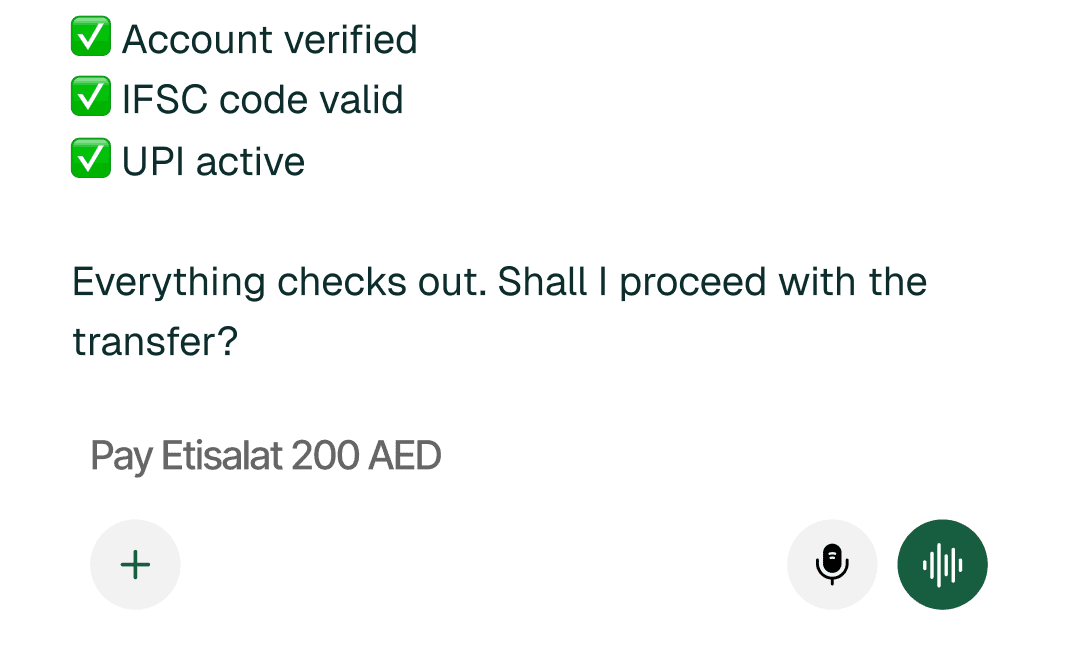
AI in payments has transitioned from predictive chatbots to autonomous executors known as agents. This shift, termed "agentic commerce," allows AI to navigate checkouts, apply logic-based decisions, and settle transactions without manual user clicks.
Modern AI payment systems function as a connective tissue between natural language intent and financial settlement." Why: This provides immediate value to readers who want to understand how to phrase their "intent" so the agent executes correctly.
Beyond Advice: The Rise of Agentic Commerce
From Conversational Guidance to Financial Execution
Early AI iterations provided recommendations; the best AI personal assistant apps in 2025 now focus on executing the purchase." Why: Readers learning about "Agentic Commerce" will naturally want to know which specific apps are leading the charge.
Why Redirects and External Links are Obsolete
Traditional e-commerce relies on users navigating away to external gateways, increasing friction and cart abandonment. AI in the payments industry solves this by performing direct machine-to-machine handshakes. The agent stays within the primary interface, completing the transaction via API, which ensures higher conversion rates and a seamless user journey.
Defining the Role of the AI Payment Proxy
An AI Payment Proxy is a secure middleware layer. It isolates the AI model from sensitive financial credentials. The proxy manages the "handshake" between the agent and the bank, ensuring that artificial intelligence in payments occurs within a sandboxed environment where data exposure is minimized.
How is the Security Infrastructure of AI Transactions Managed?
Security is maintained through a multi-layered stack comprising network tokenization, biometric verification, and ephemeral financial permissions. These protocols ensure that ai payment systems operate without exposing raw cardholder data or allowing unauthorized spending.
Tokenization and Secure Virtual Cards
Network tokenization replaces the Primary Account Number (PAN) with a unique digital identifier. Artificial intelligence payment processing utilizes these tokens to ensure that even if a merchant database is compromised, the data remains useless to attackers. Secure virtual cards provide an additional layer of isolation by restricting an AI agent’s access to a specific vendor or a pre-defined transaction amount.
Biometric Gatekeeping and Advanced Authentication
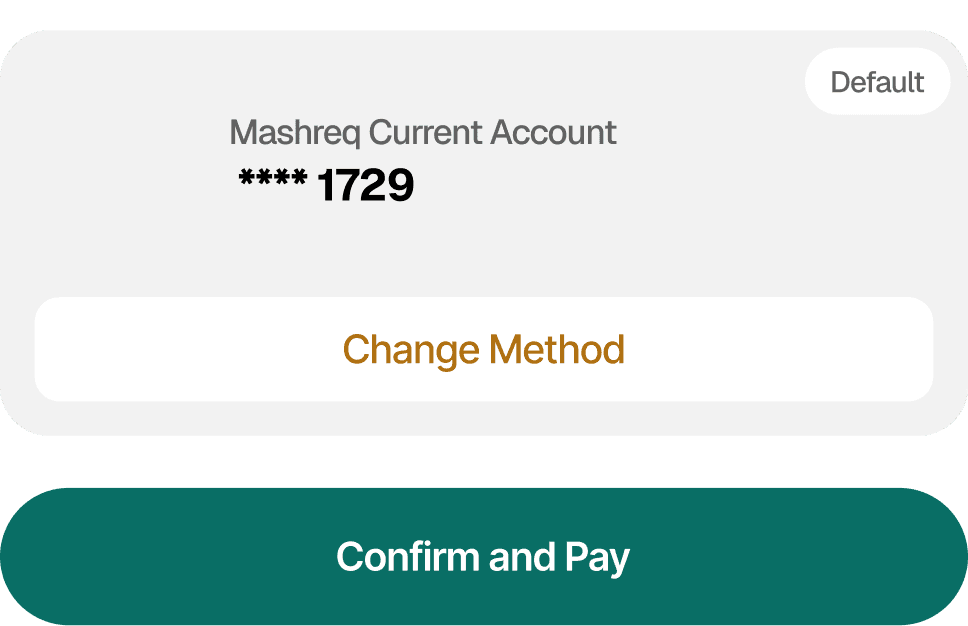
High-value transactions initiated by ai and payments infrastructure require cryptographically signed approval. Utilizing FIDO2 standards and device-bound passkeys, the system triggers a biometric prompt (such as FaceID or TouchID) on the user's primary device. This "Possession + Inherence" model ensures that while the agent prepares the payment, only the human user can finalize the execution.
Just-in-Time Financial Permissions
AI agents operate under a "least privilege" model. The banking core issues ephemeral permissions temporary authorization windows for a specific purchase. Once the agent executes the transaction or the time window expires, the permission is revoked. This prevents autonomous agents from initiating recurring charges or exceeding their delegated mandate.
Automating Personal Financial Logistics
Unified Command for Bill Settlement
AI agents centralize fragmented billing data by integrating with service provider APIs. Utilizing NLP (Natural Language Processing), the agent monitors due dates, verifies invoice accuracy against historical usage, and executes payments via A2A or ACH. This automation removes the manual overhead of digital banking management and boosts personal productivity through proactive liquidity forecasting.
Executing Multi-Vendor Travel Payments
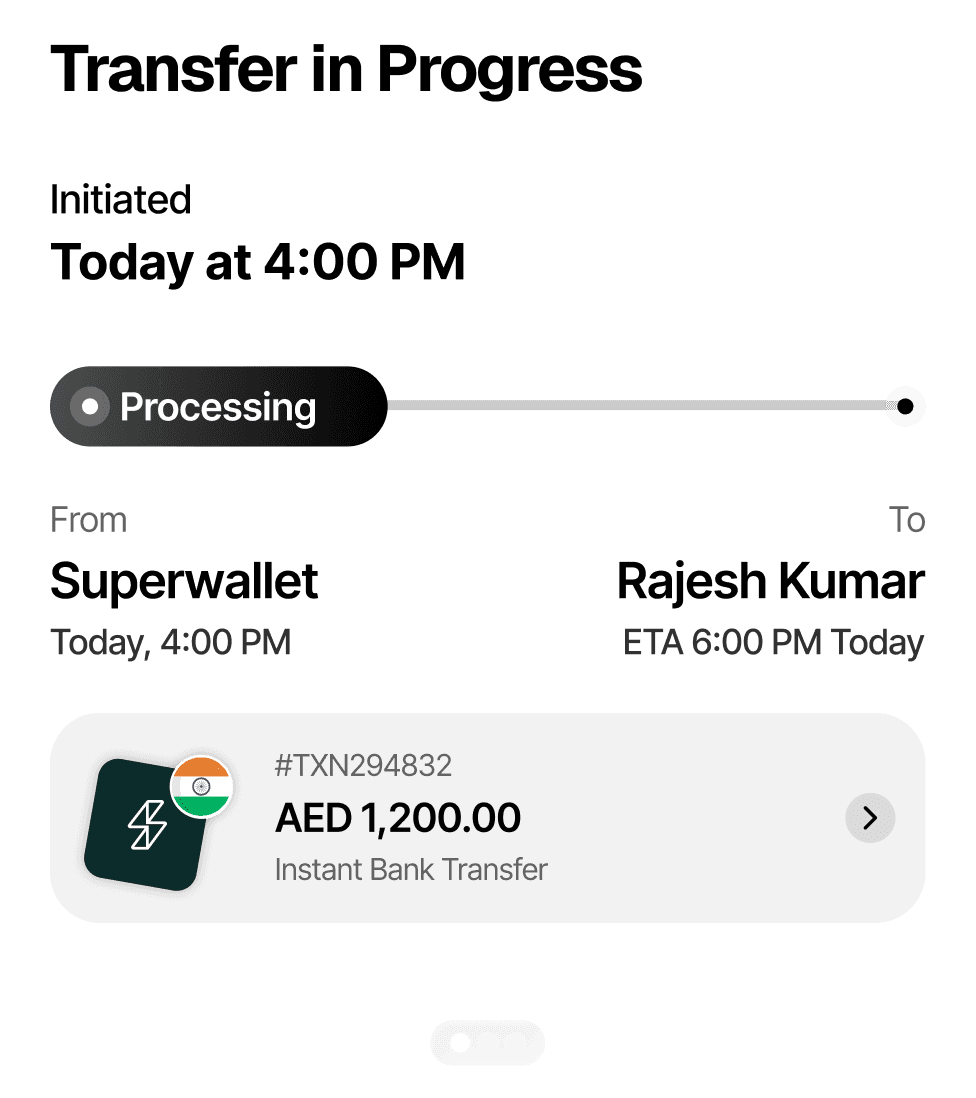
Complex travel itineraries involve disparate providers, including airlines, hotels, and ground transport. AI agents coordinate these vendors through a single financial intent. The agent manages B2B payment flows, handles real-time currency conversion, and reconciles receipts automatically. This creates a unified "Travel Ledger" where the agent negotiates prices and settles with multiple entities simultaneously.
Proactive Detection and Automated Remittance
AI in payment processing identifies overcharges, duplicate invoices, and subscription anomalies in real-time. If an anomaly is detected such as a price hike in a recurring SaaS bill the agent initiates a dispute protocol or pauses the payment. This automated oversight ensures financial accuracy without the need for manual human auditing, transforming the bank account into a self-reconciling entity.
UAE Financial Standards and Data Residency
Compliance with CBUAE Digital Payment Mandates
In the UAE, ai in payments must operate within the legal framework defined by the Central Bank of the UAE (CBUAE), specifically the Retail Payment Services and Card Schemes (RPSCS) Regulation. This mandate requires all ai payment systems to utilize Strong Customer Authentication (SCA) to mitigate the risks of autonomous fraud. By March 2026, the CBUAE mandates a move away from SMS-based OTPs. Consequently, artificial intelligence in digital payments must integrate directly with UAE PASS or Emirates Face ID to provide cryptographically signed authorizations for high-value transactions. This ensures that while an agent handles the logistics, the legal "intent to pay" is verified through government-standard biometric protocols.
The Importance of Local Sovereign Processing
Data residency is a critical technical constraint for ai in payment processing within the Middle East. Under the UAE Federal Decree-Law No. 45 of 2021 on the Protection of Personal Data (PDPL), financial institutions are required to host sensitive customer identifiers on local servers. For artificial intelligence in payments, this means the Large Language Models (LLMs) or the specialized "Payment Proxies" must reside in local data centers (e.g., G42 or Equinix DXB). Processing transactions locally minimizes the risk of international data interception and ensures that ai in the payments industry remains compliant with sovereign security audits. This local-first architecture also reduces latency in "Fraud-as-a-Service" (FaaS) checks, where AI models must analyze thousands of data points in milliseconds to approve a cross-border remittance.
The New Settlement Layer: A2A and Stablecoins
Bypassing Card Rails for Instant Liquidity
AI in payment processing is shifting away from traditional credit card networks in favor of Account-to-Account (A2A) payments. Legacy card rails impose interchange fees (1.5% to 3%) and settlement delays that hinder high-frequency agentic transactions. By leveraging Open Banking APIs, AI agents initiate direct bank-to-bank transfers. This disintermediation provides merchants with near-instant liquidity and significantly reduces the overhead of artificial intelligence payment processing by removing the need for intermediary clearinghouses.
Programmable Money and Atomic Settlement
Stablecoins (e.g., USDC or the planned UAE Digital Dirham) serve as the native currency of ai payment systems. Unlike traditional fiat, which is restricted by banking hours and SWIFT windows, stablecoins enable Atomic Settlement, the instantaneous, simultaneous exchange of value and assets. Utilizing Smart Contracts, an AI assistant can hold funds in a cryptographically secured escrow. The contract automatically triggers the release of payment the millisecond a digital service is verified as delivered, eliminating the 48-hour counterparty risk inherent in legacy ai in digital banking.
The "Identity Battle" in the Agentic Era
Countering AI-Powered Deepfakes and Synthetic IDs
As generative AI lowers the barrier for high-fidelity impersonation, artificial intelligence in digital payments must defend against sophisticated deepfake attacks. Simple photo-based KYC is obsolete in 2026. Modern ai in the payments industry utilizes Liveness Detection that requires users to perform randomized, real-time interactions (e.g., following a moving light with their eyes) that synthetic identities cannot replicate. This "Identity Orchestration" ensures that the "intent to pay" originates from a physical human, not a cloned digital proxy.
Behavioral Biometrics: The Invisible Signature
To maintain continuous security in ai payment systems, platforms have integrated Behavioral Biometrics. This technology monitors non-transferable human patterns, such as typing cadence, touchscreen pressure, and device tilt angles. If an agent detects a deviation from the user’s unique "digital soul" such as a sudden change in navigation speed or a robotic interaction pattern it triggers an Emergency Disconnect. This immediate revocation of financial permissions prevents "Machine-to-Machine Mayhem," where compromised agents could execute unauthorized high-volume transactions before a human detects the breach.
Summary: The Transition to Invisible Payments
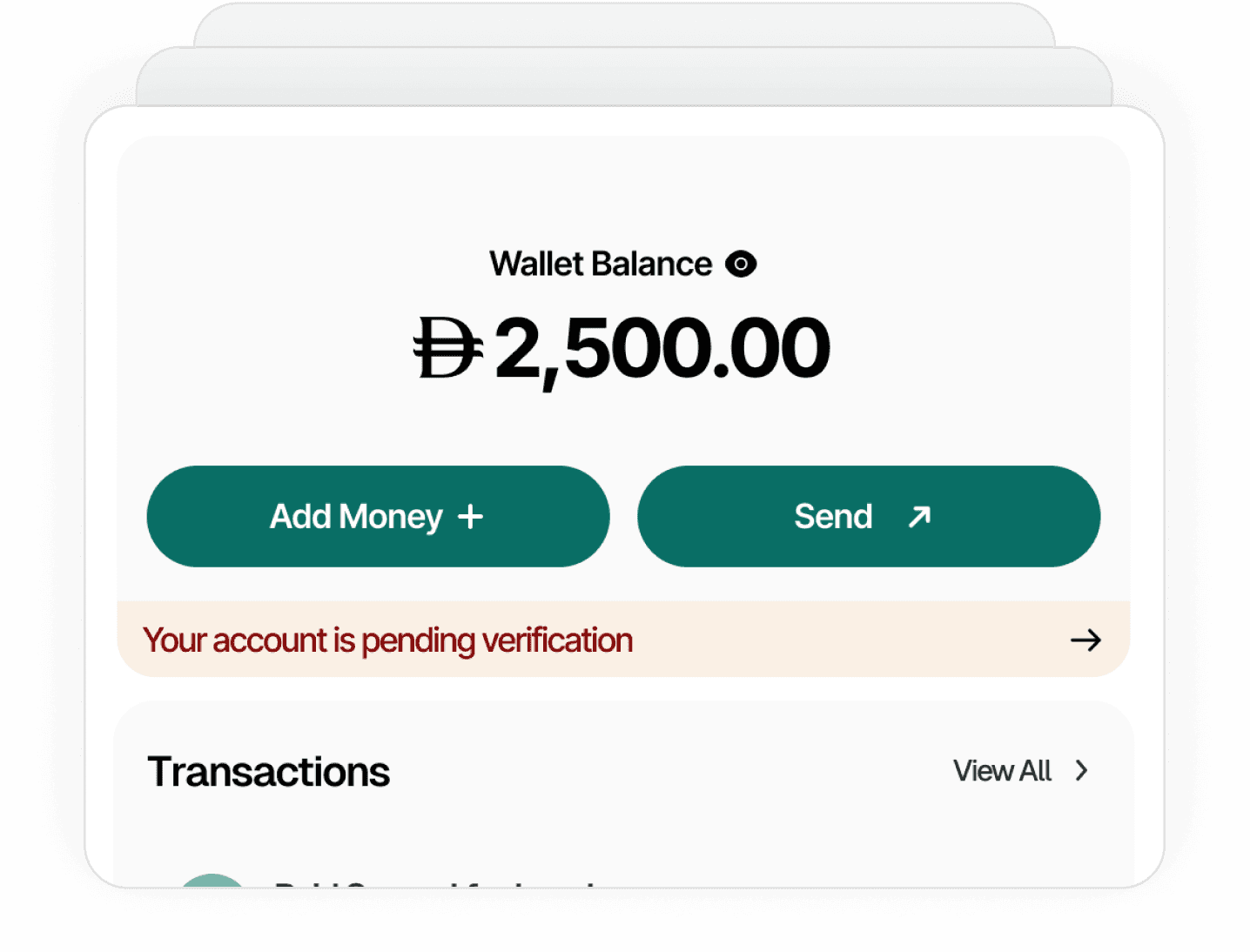
The trajectory of ai in payments is a transition from active user interfaces to "invisible" background protocols. We are moving from a world where humans "check out" to a world where agents "settle." This shift relies on the maturation of ai in digital banking, where the banking core acts as a permission engine rather than just a ledger.
By late 2026, the convergence of AI and payments will be characterized by Trust Orchestration, fundamentally redefining the future of personal productivity. In this model, the user sets the logic, the AI agent manages the vendor negotiation, and the blockchain or centralized bank ledger handles the atomic settlement. Artificial intelligence payment processing will become a utility layer, similar to electricity always on, highly regulated, and entirely silent. The final evolution will be the "Zero-Click" economy, where the physical act of payment is replaced by continuous, identity-bound financial streaming.
More to explore