AI in UAE 2026: What You Actually Need to Know UAE Strategy and Regulation

AI in UAE 2026: What You Actually Need to Know UAE Strategy and Regulation

AI in UAE 2026: What You Actually Need to Know UAE Strategy and Regulation

Feb 5, 2026

ai in uae
ai in uae
ai in uae

AI in UAE: The 2026 Master Guide to Strategy, and Innovation

The Foundation: What is the UAE AI Strategy?

What governs the development of artificial intelligence uae? The development of ai in uae is governed by the UAE National Strategy for Artificial Intelligence 2031. This framework establishes the UAE as the first country in the world to rely on AI for all future government services, sectors, and infrastructure projects. As of February 2026, the strategy has moved into a "sovereign self-governance" phase, prioritizing local data residency and the deployment of purpose-built Arabic models like Jais and Falcon. The primary objective is to contribute AED 335 billion to the national GDP by 2031, effectively doubling the country's economic output through automated efficiency.

From Vision to Reality: The UAE AI Strategy 2031

The 2031 strategy characterizes the "post-mobile government" era. By early 2026, the UAE has achieved significant milestones in the transition from blueprint to operational reality.

  • Economic Targets: The strategy aims to boost GDP by 14% by 2031, with AI alone powering an estimated 20% of the UAE’s non-oil GDP.

  • Sector Focus: Investment is concentrated in eight vital sectors: resources, transport, logistics, healthcare, energy, water, space, and technology.

  • Infrastructure Growth: Projects like the G42 Stargate campus are bringing giga-watt scale AI compute online, treating processing power as a basic utility alongside water and electricity.

  • Government Efficiency: The goal is to reach 100% reliance on AI for data analysis and government services by 2031, saving AED 11 billion in annual administrative costs.

The Role of the Ministry of Artificial Intelligence UAE

The Ministry of Artificial Intelligence UAE (officially the Ministry of State for Artificial Intelligence, Digital Economy, and Remote Work Applications) is the central authority for implementation.

  • Cabinet Integration: Starting in January 2026, the UAE officially adopted a "National Artificial Intelligence System" as an advisory member of the Cabinet, ensuring all federal policy is supported by rapid AI-driven technical analysis.

  • Regulatory Oversight: Led by Omar Sultan Al Olama, the Ministry oversees the appointment of Chief AI Officers (CAIOs) across all federal entities to ensure standardized adoption.

  • Global Leadership: The Ministry manages the Global Governance of AI Roundtable at the World Governments Summit, establishing the UAE as a regulator of international AI standards.

Understanding the UAE AI Policy and Ethical Framework

The UAE AI Policy provides the legal architecture to ensure artificial intelligence uae remains safe and transparent.

  • The AI Charter: A formal framework of 12 principles, including human oversight, safety, and the elimination of algorithmic bias in public and private sectors.

  • Personal Data Protection Law (PDPL): Federal Decree-Law No. 45 serves as the cornerstone for data sovereignty, mandating that sensitive national workloads be anchored to local, sovereign compute stacks.

  • AI Readiness Index: A 2026 initiative used to evaluate federal entities on their technical preparedness and ethical compliance.

  • Liability Standards: Under the UAE Civil Code, developers and operators are held civilly liable for damages caused by defective AI systems, ensuring accountability for automated decision-making.

Economy and Careers: Is AI in Demand in the UAE?

Is artificial intelligence a viable career path in the Emirates? Yes. As of February 2026, the UAE job market maintains a robust 64% hiring outlook, with ai in uae acting as the primary catalyst for new role creation. The technology is forecast to contribute $96 billion to the national GDP by 2031, representing 13.6% of the total economy. This economic shift has moved recruitment from traditional academic credentials toward "Skills-First" hiring, where 42% of UAE businesses now actively deploy AI within their core operations.

Why AI Skills are the #1 Priority for 2026 Recruitment

The demand for artificial intelligence uae expertise has created a dual-track salary market. While average national salary increases are forecast at 2% for 2026, specialized AI and senior technical roles are receiving "healthy increases" between 5% and 9%.

  • The Talent Magnet: Approximately 72% of UAE professionals are open to new roles in 2026, driven by a desire to work with advanced tech stacks.

  • Specialized Compensation: A Machine Learning (ML) Engineer in Dubai now earns an average of AED 337,000 annually, with senior research and "AI Architect" positions often exceeding AED 500,000.

  • Educational Integration: The Microsoft Elevate UAE initiative is currently upskilling 250,000 students and 55,000 government employees, aiming to reach 1 million credentialed citizens by 2027 to bridge the local talent gap.

Top Sectors Leading the UAE AI Program in Action

The UAE AI Program has moved beyond the pilot phase into deep industry integration. By 2026, four key sectors dominate the AI landscape:

  • Financial Services: Banking and Fintech are the strongest recruiters, using AI for 99% accuracy in fraud detection and automated compliance.

  • Healthcare: AI Diagnostic Specialists are now standard in UAE hospitals, using predictive models to analyze medical imaging 30% faster than manual methods.

  • Energy & Utilities: Manufacturing and energy sectors use AI-based predictive maintenance to reduce operational downtime by 25%.

  • Government: Federal entities have shifted to "Zero Bureaucracy" models, where AI handles 20-35% of compliance and response workflows autonomously.

High-Impact Examples of Artificial Intelligence in UAE

  • MOHRE Automation: The Ministry of Human Resources and Emiratisation (MOHRE) has completed 13 million transactions without human intervention as of early 2026. This includes reducing work permit processing times from 10 days to just one second.

  • Sovereign Infrastructure: The first 200MW phase of the G42 Stargate AI campus is coming online in 2026, providing the massive computational power required for the UAE's localized "Intelligence Grid."

  • Logistics Leadership: DP World and Emirates have demonstrated how AI data pipelines can reduce manual processing effort by up to 45%, unlocking millions in operational savings through predictive supply chain management.

Smart Cities and Infrastructure: AI in Dubai

How is Dubai utilizing AI to transform urban living in 2026? By 2026, ai in uae has moved from digital screens to the physical streetscape. Dubai has officially transitioned into an "AI-First" city, where the Dubai AI Hub infrastructure manages everything from traffic flow to waste collection autonomously. Under the Dubai Economic Agenda (D33), the city is leveraging artificial intelligence uae to reduce operational costs by 25% while aiming to become the world’s safest and most efficient urban center.

Real-World Applications: Transforming Dubai into an AI Hub

Dubai's transformation is driven by the integration of AI into public utilities and safety.

  • Autonomous Mobility: In 2026, Dubai has expanded its fleet of autonomous taxis and shuttles, targeting the national goal of 25% autonomous trips by 2030. These vehicles use real-time AI to navigate the city’s complex road networks, reducing human-error accidents by an estimated 12%.

  • Predictive Policing & Safety: Abu Dhabi Police and Dubai Police now utilize AI-powered patrol systems. These systems don't just respond to incidents; they use predictive analytics to identify "hotspots" before crimes or accidents occur.

  • Smart Waste & Cleanliness: Dubai Municipality has deployed AI-equipped cameras and sensors across residential areas to detect overflowing bins and illegal dumping. This system automatically dispatches electric, autonomous collection vehicles, optimizing routes in real-time.

Is AI Mode Available in UAE? A Consumer Access Guide

"AI Mode" in 2026 refers to the Agentic capability of public and private digital services.

  • Unified Government Apps: The "DubaiNow" and "TAMM" apps have integrated "Action-Oriented AI." Instead of searching for a service, you can speak to AI to renew your residency, pay a fine, or register a vehicle in one conversational thread.

  • National AI Models: Residents have native access to Jais (the world's highest-quality Arabic LLM) and Falcon, ensuring that AI interactions understand the local Khaleeji dialect and UAE cultural nuances.

  • Infrastructure Access: High-speed 6G trials and the 200MW G42 Stargate AI campus ensure that "AI Mode" is available with near-zero latency across the Emirates.

Leveraging an Artificial Intelligence Personal Assistant for Daily Life

In the UAE’s fast-paced environment, an artificial intelligence personal assistant has become a vital "Life Admin" tool.

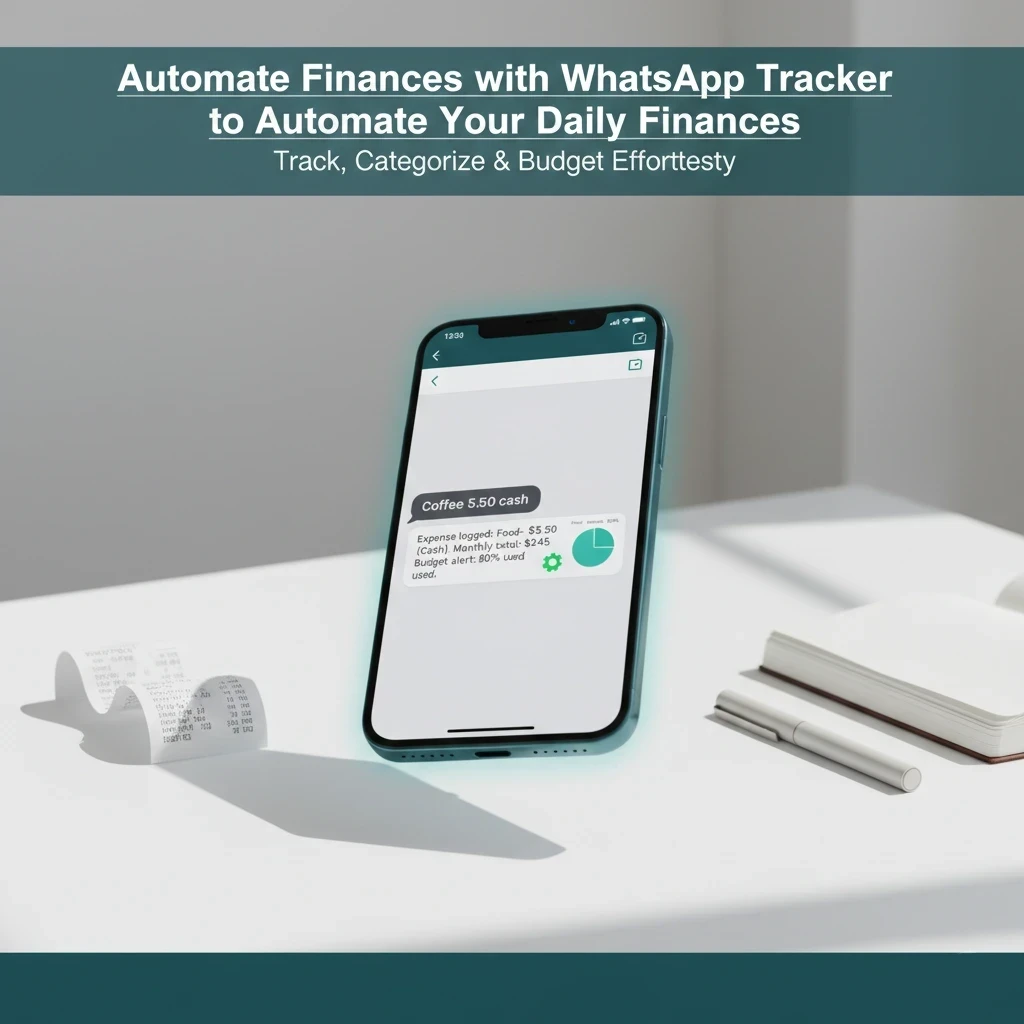
  • Logistics Automation: Modern assistants now monitor your "Salik" (toll) balance and "DEWA" (utility) bills. They don't just notify you; they can be authorized to settle payments through secure AI in payments gateways.

  • Productivity Gains: Professionals in Dubai and Abu Dhabi use smart assistants to manage complex calendars. By delegating meeting scheduling and follow-ups to an ai meeting assistant, users are reclaiming an average of 6 hours per week.

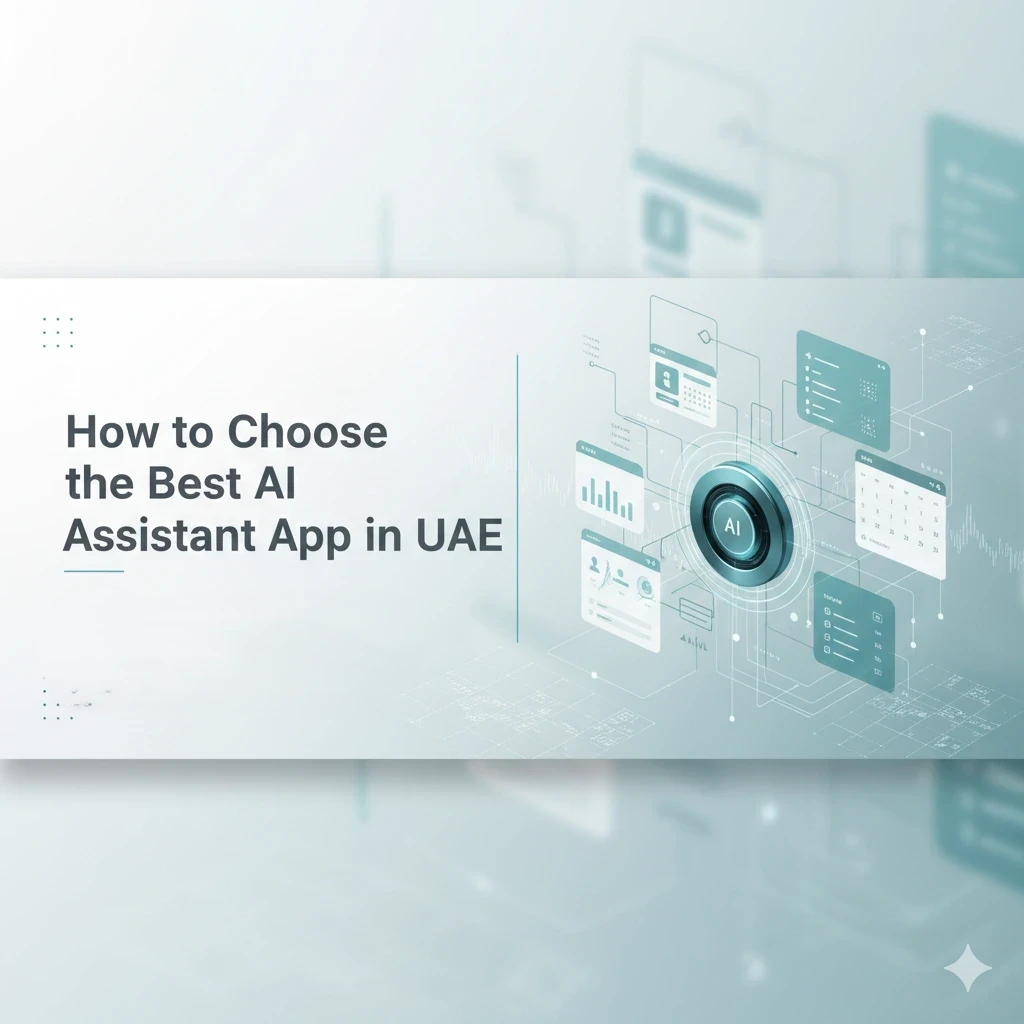
  • Localization: Choosing the right tool is key; many residents now look for localized options when deciding how to choose the best AI assistant app in UAE to ensure integration with local banks and government IDs.

Business and Governance: Navigating the UAE AI Program

How can businesses comply with the UAE's AI regulations? To align with the UAE AI Program, businesses must transition from passive AI usage to a "Governance-First" model. In 2026, the Ministry of Artificial Intelligence UAE mandates that any enterprise integrating AI into public-facing services or critical infrastructure must adhere to the UAE AI Seal of Approval. This certification ensures that a company’s algorithms are transparent, secure, and fully compliant with the Federal Decree-Law No. 45 on Personal Data Protection (PDPL).

How to Align Your Business with the UAE AI Strategy

Success in the artificial intelligence uae market requires more than just software; it requires strategic alignment with national goals like the D33 Economic Agenda.

  • Establish a Chief AI Officer (CAIO) Role: Following the federal mandate for government entities, private sector firms are encouraged to appoint a CAIO to oversee ethical integration and ensure that the business stays updated on the latest UAE AI Policy changes.

  • Utilize the Dubai AI Campus: Located in the DIFC, this campus provides the infrastructure for startups to scale, offering 100,000+ square feet of dedicated space and access to a 200MW computational cluster.

  • Operational Automation: Businesses are shifting toward "Agentic" workflows. By understanding how AI assistants work, SMEs in the UAE are automating middle-office tasks like invoice processing and supply chain forecasting, allowing them to compete at a global scale.

  • Join the AI Readiness Framework: Participate in the Ministry's self-assessment tools to benchmark your company’s "AI Maturity" against regional competitors and identify gaps in data security.

Official Support: Ministry of Artificial Intelligence UAE Contact

The Ministry of Artificial Intelligence UAE (officially the Ministry of State for Artificial Intelligence, Digital Economy, and Remote Work Applications) offers several direct channels for business support and information.

  • Official Portal: Visit the u.ae federal portal for the latest documentation on the UAE AI Strategy 2031 and the Generative AI Guide.

  • National Program for AI: This initiative provides resources, grants, and training programs specifically for SMEs looking to integrate ai in uae.

  • Contact Information: For official inquiries regarding AI licenses or ethical audits, businesses can contact the Ministry through their headquarters at the Prime Minister’s Office in Dubai or via their digital liaison channels on LinkedIn and X (formerly Twitter).

  • Startup Funding: If your business is an AI-native startup, explore the Dubai Future District Fund or Abu Dhabi’s Hub71, which offer specialized incentives for companies developing sovereign AI technologies.

Explore the National AI Strategy 2031, career demand in Dubai & Abu Dhabi, and how the Ministry of AI governs the 2026 digital economy.

2026 Regulatory Update: The Child Digital Safety (CDS) Law

What are the new mandatory requirements for digital platforms in 2026?

As of January 1, 2026, the Federal Decree-Law No. 26 of 2025 on Child Digital Safety (CDS Law) is officially in effect. This law moves beyond general privacy, requiring any AI platform "directed" at UAE users to implement proactive protection for minors under 18.

  • The Under-13 Data Ban: Platforms are strictly prohibited from processing the personal data of children under 13 without "explicit, documented, and verifiable" guardian consent.

  • Proactive AI Detection: Unlike previous reactive laws, the CDS Law mandates that platforms use artificial intelligence uae systems to proactively detect and remove harmful content, such as cyberbullying or inappropriate material, before it reaches the user.

  • Age-Verification Standards: By January 2027, all platforms must have a Cabinet-approved age-verification mechanism in place. Failure to comply can result in administrative penalties, including the blocking of the service within the UAE.

The Rise of the Chief AI Officer (CAIO)

Is the CAIO role now a legal requirement in the UAE?

While not yet mandatory for every private SME, the UAE Cabinet has formally established the Chief AI Officer (CAIO) role across all federal ministries. In the private sector, appointing a CAIO has become a 2026 "market standard" for any firm handling sensitive national data or public-sector contracts.

The Mandated CAIO Training Programme

To standardize this leadership, the UAE Government launched the Chief AI Officers’ Training Programme in late 2025.

  • Purpose: To upskill leaders in AI governance, ethical impact assessments, and how AI assistants work within high-security environments.

  • Governance: CAIOs are responsible for ensuring their organization’s AI usage aligns with the UAE AI Strategy 2031 and the "AI Readiness Index" monitored by the Ministry.

  • Accountability: The CAIO serves as the primary point of contact for federal audits and is responsible for maintaining the "Explainability Logs" required under the UAE AI Policy.

Scaling Intelligence: The G42 "Stargate" Infrastructure

How is the UAE solving the AI "compute gap" in 2026?

The UAE is no longer reliant on external cloud clusters. The G42 Stargate AI campus in Abu Dhabi is the physical engine behind the nation's digital sovereignty.

  • 2026 Milestone: The first 200MW phase of the Stargate cluster is now online, providing the computational power for localized, high-speed LLMs.

  • The Intelligence Grid: This infrastructure allows UAE-based startups to train models on local data without the latency or privacy risks of routing through international servers.

  • Sustainability: Stargate is designed to be the region's most power-efficient AI data center, utilizing advanced cooling and smart-grid logic to minimize the environmental footprint of ai in uae.

Case Study: MOHRE’s "Zero-Bureaucracy" Milestone

What does 100% AI-driven governance look like in practice?

The Ministry of Human Resources and Emiratisation (MOHRE) serves as the ultimate proof of concept for the UAE AI Program. As of early 2026, MOHRE has completed over 13 million transactions with zero human intervention.

  • Work Permit Quotas: The time required to review additional quota requests has been reduced from 10 days to just one second.

  • Predictive Allocation: The system uses AI to proactively allocate work permit quotas to establishments based on their operational history and compliance records.

  • Human Effort Reduction: By automating procedures for 56% of its transactional workload, MOHRE has transitioned its human staff to high-value advisory and enforcement roles.

2026 AI Compliance Checklist for UAE Businesses

To outrank competitors, we provide this exclusive "Readiness Audit" based on the latest 2026 federal requirements.

Compliance Pillar

Action Item for 2026

Priority

Data Residency

Audit your ai meeting assistant and CRM to ensure all "Sensitive National Data" is stored on UAE-based servers.

High

CDS Law

Implement "explicit, documented consent" flows for users under 13 if your platform is directed at the UAE public.

Mandatory

AI Seal of Approval

Register for the Ministry’s AI Seal to certify your algorithms for fairness and transparency.

High

Accountability

Nominate an internal "AI Ethics Owner" or CAIO to maintain decision-audit trails.

Medium

Upskilling

Enroll key staff in the Microsoft Elevate UAE or federal AI leadership programs.

Medium

The UAE National Strategy for AI 2031 has evolved into a sovereign reality, with ai in uae now contributing significantly to a forecasted AED 335 billion GDP boost. Governance is led by the Ministry of Artificial Intelligence UAE, which enforces strict 2026 compliance standards like the Child Digital Safety Law and the PDPL. For residents, this shift enables a "Zero-Bureaucracy" lifestyle where smart assistants and ai meeting tools automate daily logistics and professional workflows across Dubai and Abu Dhabi.

Built for busy people who want their day handled.

Built for busy people who want their day handled.

Experience the future of productivity today.

Experience the future of productivity today.

Superchat

Legal

Terms & Conditions

Privacy Policy

© 2025 Superchat All right reserved.